Switching to solar is a long term investment, and choosing the right installer can make all the difference. A well installed system can deliver consistent savings for over 20 years, while a poor installation can lead to inefficiencies, frequent repairs, and unnecessary stress. With so many providers in the market, knowing what to look for helps you make a confident and informed decision.
Start with certifications and approvals
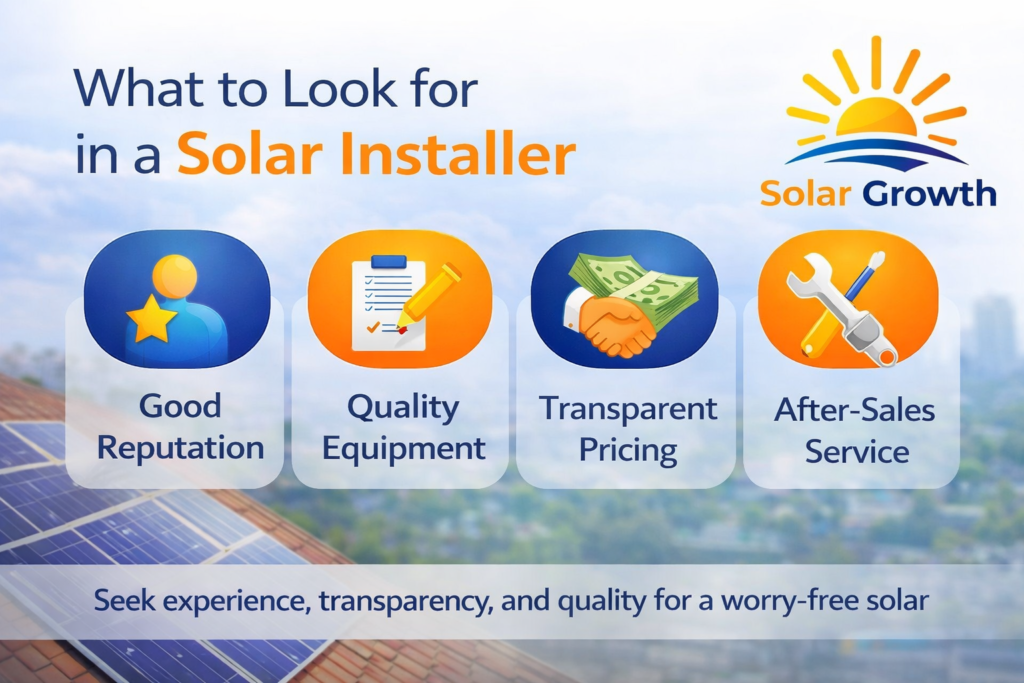
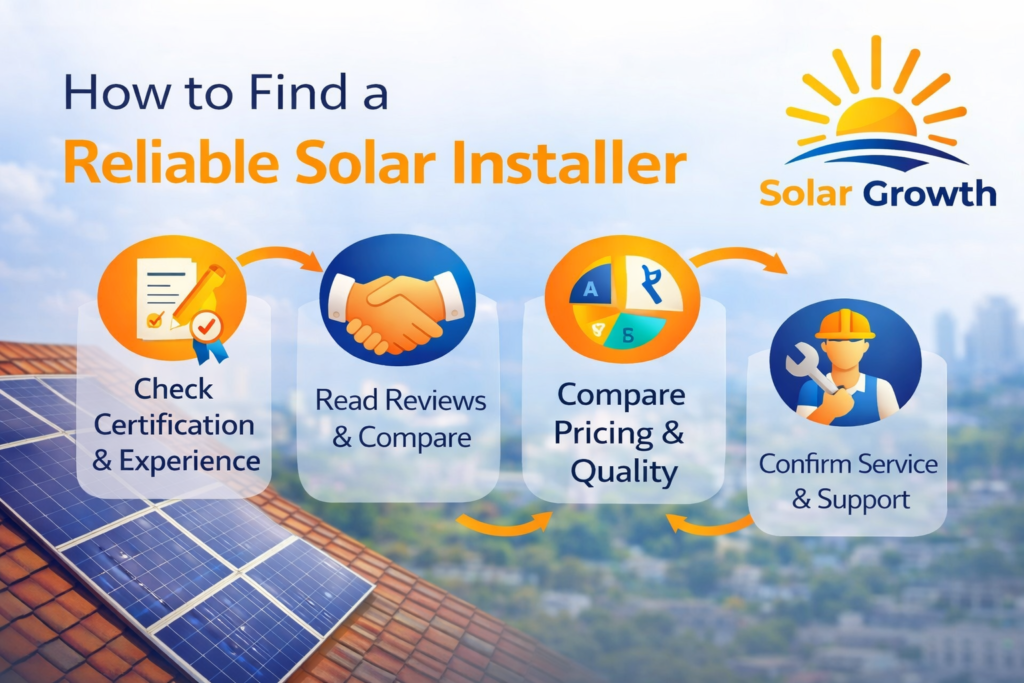
The first thing to check is whether the installer is certified and registered with relevant authorities. In India, vendors approved under the rooftop solar program and listed with DISCOMs are usually more reliable. These installers follow proper safety standards and are familiar with local regulations, net metering processes, and subsidy requirements.
Evaluate experience and track record
Experience matters more than flashy marketing. Look for installers who have completed multiple residential projects similar to yours. Ask for a portfolio, before and after photos, or even site visits if possible. Customer reviews and testimonials can give insight into their professionalism, timelines, and after sales support.
Compare system quality and components
A solar system is only as good as its components. Ask about the brand and efficiency of solar panels, inverters, and mounting structures. Tier 1 panels and high quality inverters may cost slightly more but offer better performance and durability. Also check warranty terms. Panels typically come with 25 year performance warranties, while inverters may range from 5 to 10 years.
Understand pricing and transparency
Do not just go for the lowest quote. A very cheap offer may mean compromised quality or hidden costs. A good installer will provide a detailed quotation covering equipment, installation, permits, and maintenance. Make sure there are no vague terms or unexpected add ons later.
It is also wise to compare at least three quotes before making a decision. This helps you understand market pricing and identify any red flags.
Check financing and subsidy assistance
Many installers now assist with financing options such as EMIs, loans, and subsidy applications. This can simplify the process significantly. Ask whether they help with documentation, approvals, and coordination with authorities. A provider who offers end to end support can save you time and effort.
Look at after sales service and maintenance
Solar systems require minimal maintenance, but support still matters. Ask about service response time, maintenance packages, and monitoring systems. Some installers offer mobile apps to track your system performance in real time, which adds convenience and transparency.
Assess site survey and customization
Every home is different. A professional installer will conduct a proper site survey, analyzing roof size, direction, shading, and energy consumption. Avoid companies that give instant quotes without inspection. Customized system design ensures maximum efficiency and better returns.
FAQs
1. How do I know if an installer is reliable?
Check certifications, customer reviews, and past projects. Verified vendors with strong local presence are usually more trustworthy.
2. What is the ideal system size for a home?
It depends on your electricity usage, but most Indian homes opt for systems between 2 kW to 5 kW.
3. How long does installation take?
Once approvals are in place, installation usually takes 2 to 5 days.
4. Do installers help with subsidies?
Yes, many reputable installers assist with subsidy applications and documentation.
5. What should I avoid while choosing an installer?
Avoid extremely low prices, unclear contracts, and companies with no proven track record.
Final thoughts
Choosing the right solar installer is just as important as choosing the system itself. Take your time to research, compare options, and ask the right questions. A trusted installer will not just sell you a system but will guide you through the entire journey toward clean and reliable energy.
CTA
Ready to go solar? Start by shortlisting trusted installers near you, compare their offerings, and take the first step toward a smarter and more sustainable home.